


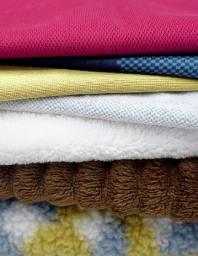


A Simple Way to Remove Stains from Clothing!
We hope this will help you get rid of those stains and we assure the result.
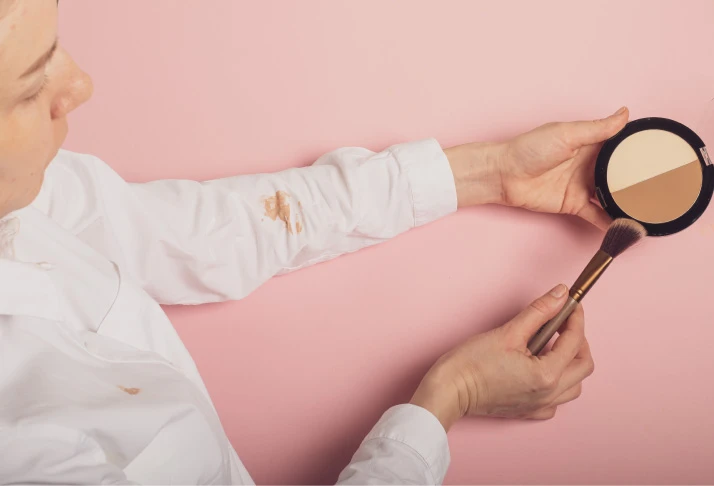
1. Cosmetic stains
Lipstick and foundation are both oil-based, which makes them the hardest stains for polyester — the fibre is oleophilic, so it holds oil far more stubbornly than cotton does. Start by lifting any excess with a spoon or a plastic card rather than rubbing, which only pushes the pigment deeper.
For a lipstick mark, work a small amount of petroleum jelly or a solvent-based stain remover into the mark to loosen the oil, blot it away with a clean cloth, then apply a drop of washing-up liquid and wash at around 40 °C with an enzyme detergent. For a foundation stain, apply washing-up liquid directly to the mark, leave it for five minutes, then wash at the same temperature. Do not use hot water on either — heat sets oil and protein stains and can leave permanent creasing in polyester.
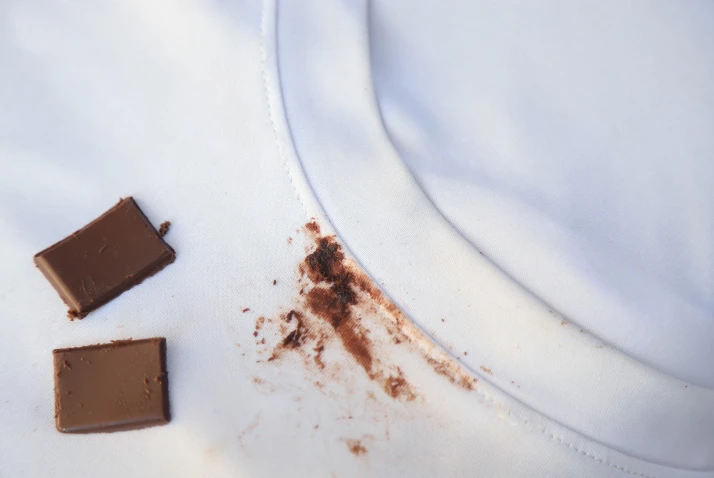
2. Food stains
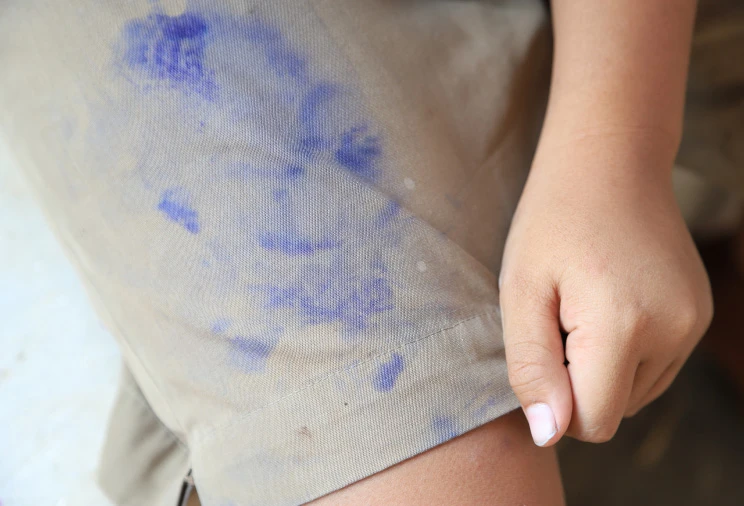
3. Other stains
Rust, ink and blood are among the harder stains to remove, and the sooner you treat them the better. Whatever the stain, do not tumble dry until it is completely gone — dryer heat sets a stain permanently.
Blood. Soak in cold water with salt before washing. Never use warm or hot water: blood is a protein stain and heat bonds it to the fibre. For dried blood, soak in cold water first, then work in an enzyme detergent. If a mark remains and the garment is white, you can then use hydrogen peroxide — test on a hidden area first, as it is an oxygen bleach and will lighten coloured fabric.
Rust. Wet the stained area, squeeze lemon juice onto it, leave for about 10 minutes out of direct sunlight, then wash as normal. Use this on white fabric only, and never dry the garment in the sun while lemon juice is still on it — lemon juice plus sunlight bleaches fabric and will leave a permanent light patch.
Ink. Place a clean cloth underneath the stain to absorb the ink. Apply vinegar, leave for about 10 minutes, then add two or three drops of washing-up liquid. Blot gently from the outside of the mark inwards — don't rub, which spreads the ink. Leave another five minutes, then rinse in cold water.
Before you start. Always test any treatment on a hidden area of the garment first, and never mix cleaning products — particularly bleach with anything containing ammonia, which produces toxic fumes. If one method doesn't work, rinse the fabric with clean water before trying the next.
We hope these tips make caring for your clothes easier. Results will vary with the fabric, the type of stain and how long it has been left.

- Sep 1, 2026


- May 14, 2026

- 72/74 Inch
- 155 GSM

- 60/62 Inch
- 165 GSM

- 72/74 Inch
- 165 GSM